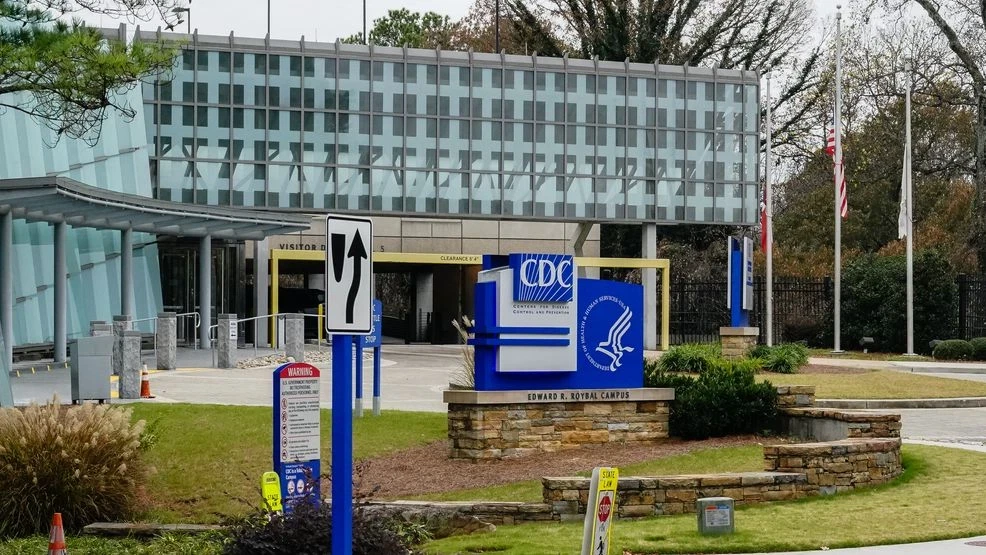
Veterinary opioid diversion is now a federal concern. Federal health officials are now sounding alarms about veterinary sedatives entering the illicit drug supply. The CDC recently issued a Health Alert Network notice warning that medetomidine, a powerful veterinary sedative also known as “rhino tranq” is increasingly being detected alongside fentanyl and other illicit opioids, with the highest concentrations in the Northeast.
For those who have been following the Zorbium® story, this is not surprising. We called this.
The foundation of this problem is a tracking gap that we identified years ago. Attempts to determine how many units of Zorbium® are distributed annually were met largely with silence. Only one partial response was ever received, documenting package distribution figures obtained approximately two years ago. No federal agency currently tracks veterinary opioid diversion comprehensively — a gap the medetomidine crisis now makes impossible to ignore.
Multiple agencies were contacted. None could provide current sales or distribution data. None had a system to track where these drugs go after they leave the manufacturer.
The CDC’s alert, issued in coordination with the White House Office of National Drug Control Policy, confirms what pet safety advocates have documented: veterinary drugs are not isolated from the broader opioid crisis. They are part of it.
For cat owners, the question remains urgent: if a drug carries enough potency to attract diversion, what are the risks to the animals it is prescribed for? And if no one is tracking distribution, how would we ever know?